A guide for parents navigating the summer schedule
Summer arrives with the best intentions. You want your child to grow, make memories and maybe even get a head start on something meaningful. So you sign them up — camp here, lessons there, a program or two to keep things moving. Before long, the calendar is full and summer feels a lot like the school year with warmer weather.
Sound familiar?
Finding the right balance between structured activities and free time is one of the most common challenges parents face when summer rolls around. There’s no perfect formula, but there is a lot of research that can help.

The case for structure
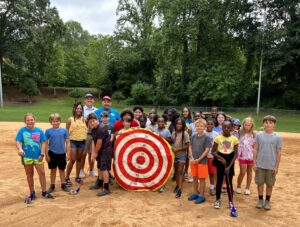
Structured activities give kids something school schedules naturally provide: routine, accountability and a sense of purpose. When children commit to a team, program or class, they practice showing up even when they don’t feel like it. They learn to follow through. They build relationships with coaches and mentors who see them differently than their parents do, and that outside perspective can be incredibly powerful.
Programs like First Tee give kids a structured environment where they’re not just learning a sport but developing the habits and character traits that carry into every other area of their lives.
Why unstructured time matters just as much
Here’s what the research consistently shows: Kids need boredom. Not as a punishment, but as a gift.
When children have unstructured time — time without a screen, schedule or adult directing the action — they’re forced to use their imaginations, negotiate with peers, solve problems on their own and discover what they enjoy. This kind of self-directed play is where creativity lives.
Child development experts note that free play is essential to healthy cognitive and emotional development. When every hour is scheduled, kids miss out on the chance to just be – a surprisingly important skill.
Finding the balance that works for your family
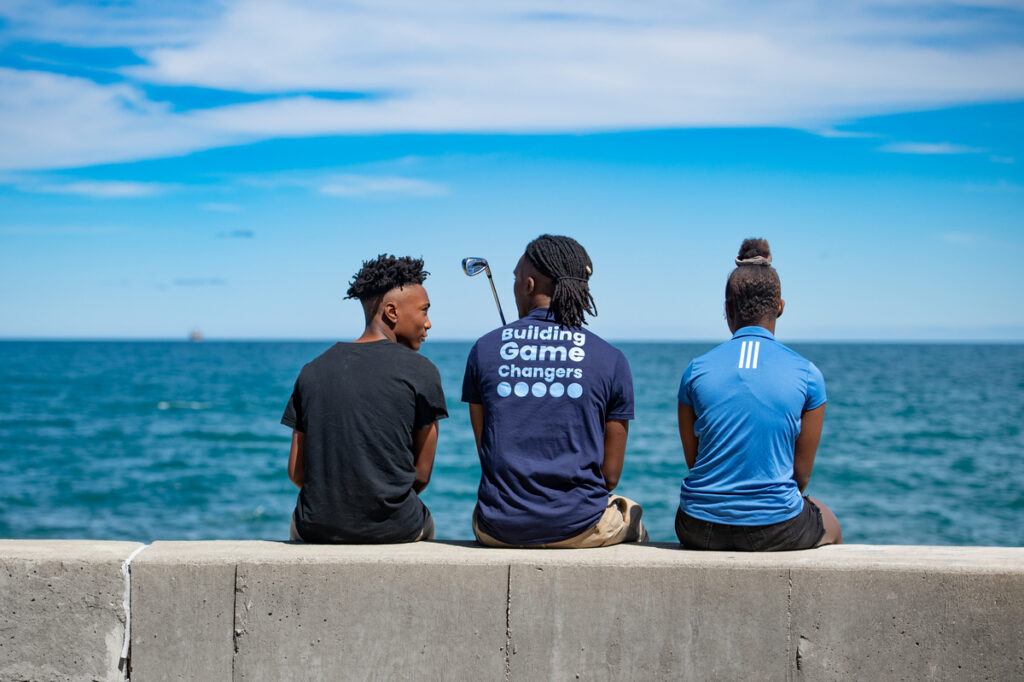
To keep kids engaged in youth sports, Project Play advocates that organized instruction, structured play and unstructured play should work in tandem. While First Tee lessons provide the first two components, a family golf outing or on-course round with friends can help nurture your child’s love for the game.
There’s no universal ratio of structured to unstructured time that works for every child or every family. But here are a few questions to help you find yours:
Is your child energized or drained after their activities? The right structured program should challenge your child, but it shouldn’t leave them depleted every day. If they’re consistently exhausted or resistant, it may be worth reassessing the schedule.
Do they have time to be bored? Boredom is uncomfortable at first. Kids will tell you there’s nothing to do. Give it 20 minutes. Often, that’s when the best stuff happens — the backyard fort, the invented game, the book they finally picked up.
Are they driving any of it? Summer is a natural time to let kids have more say in how they spend their time. If kids have a say in which activities they want to continue or try and when they want downtime, it builds the kind of autonomy that develops into good decision-making over time.
Is there room for spontaneity? If your childcare needs allow, leave some white space in the calendar. The best summer memories often happen unplanned.
The goal isn’t to maximize your child’s summer. It’s to give them a summer that helps them grow in skill, character and their sense of self.
That means some structure, some commitment, some challenge, and yes, some long afternoons with nowhere to be and nothing to do.
Learn more about First Tee programming near you.